Warehousing in the age of artificial intelligence - TRANSLOG Connect 2025
.
Warehousing in the age of artificial intelligence
Interview with Lana Herceg Gojević, Group Logistics Project Manager at Orbico Group
.
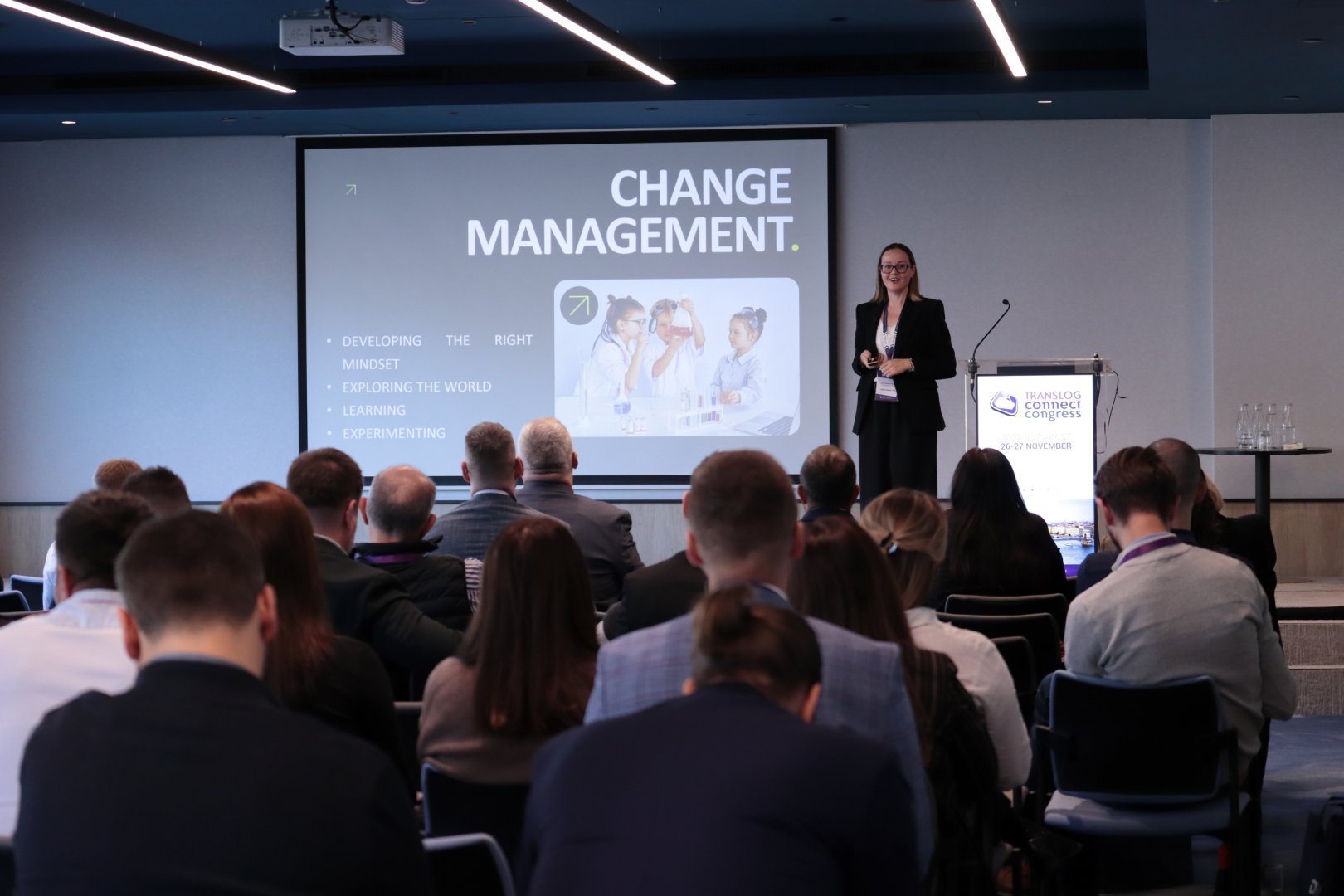
TRANSLOG Connect, held at the end of 2025 in Budapest, once again united the Central and Eastern European logistics and supply chain community around the most pressing topics shaping the industry today - from digital transformation and AI to resilience, sustainability, and the human side of change. Known for its pre-scheduled, one-to-one meeting format and highly focused programme, the event creates a setting where real business questions meet real-world answers.
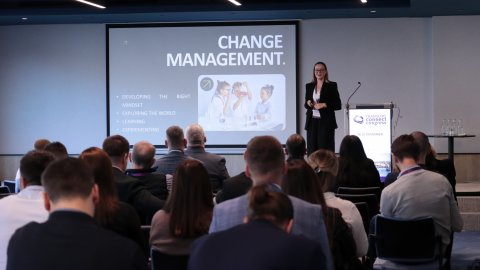
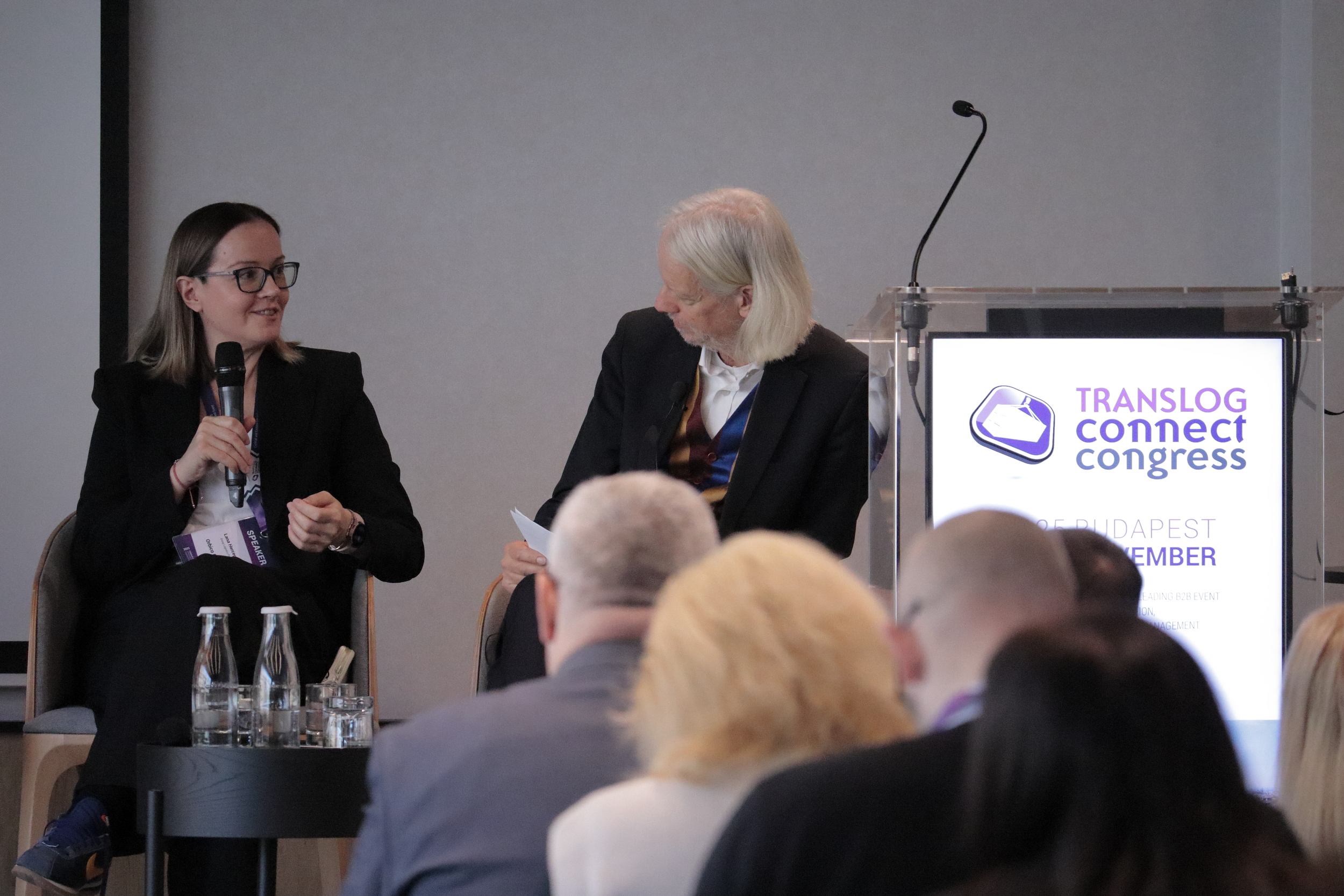
As part of the congress programme, leaders from manufacturing, retail, distribution, and technology discussed how data-driven decision-making and advanced analytics are moving from theory into everyday operations. In our interview conducted at the congress, Lana Herceg Gojević, Group Logistics Project Manager at Orbico Group shared practical insights into how AI is already supporting warehousing, transport, planning, and administrative processes at Orbico, and how the company is navigating efficiency, flexibility, regulation, and change management in an increasingly complex European supply chain landscape.
Lana Herceg Gojević is an experienced supply chain professional with more than 20 years of experience at market-leading companies. She holds a degree in economics. Lana began her career at Konzum, Croatia's largest retail chain, where she held various supply chain roles, such as Operations Planning Manager, Procurement Relations Manager, and Inventory Management Manager. She participated in various business and IT projects, with a focus on inventory optimization, process optimization, and team development. She continued her career at Atlantic Group, a major Croatian distribution and manufacturing company in the Adriatic region, as Purchasing and Inventory Management Manager. She currently works as a logistics project manager for the Orbico Group, a distribution company active in 55 European countries, where she leads strategic supply chain projects, coordinating them across multiple countries, with a focus on change management, transformation, and optimization.
.
 What AI-supported solutions are available for warehousing at your company?
Lana Herceg Gojević "AI can be used in various areas of warehousing. Our AI-controlled warehouse automation systems support order fulfilment, inventory optimization, and the organization of work in individual sections of warehouses. Of course, even without full automation, AI can be used to optimize warehouse inventory, for example. With different types of goods, some sell better than others, and we can calculate different turnover rates. In addition to organizing the storage of products with different turnover rates, AI can also be used to optimize space utilization for efficient and productive work. By building optimal methods, it selects the right location for us, thus shortening the route required for material handling."
.
Can this be extended to other logistics processes?
Lana Herceg Gojević "The same approach can be applied to transportation, optimizing routes and increasing vehicle performance. With AI usage, it is possible to perform organizational tasks automatically, especially those which are repeating and focus employees efforts to analytics, decision making and process improvements."
.
Can we talk about measurable results?
Lana Herceg Gojević "The measurement of various performance indicators can also becomes automatic - companies can measure productivity, efficiency and all other relevant KPI’s with predefined reports which are AI based. For example, if a company does not deliver goods to customers due to problems in its warehouses, it loses money. This is fairly easy to quantify. Based on experience, there is a striking difference between before the use of AI and after the introduction of AI-supported functions and systems. Companies' investments in AI-supported warehouse automation pay off, it is easy to calculate how much a company saves, and this is also reflected in orders. Efficiency and productivity increase, and warehouse KPIs become transparent and fairly easy to measure."
.
Beyond physical material handling, what AI functions help to improve work efficiency?
Lana Herceg Gojević "In other units, such as the ordering department and inventory control, it has always been easy to measure the percentage of stock shortages, overstock, etc. But the question arises: what about administrative work? This also needs to be measured, and data collection and processing place a particular burden on the people who work there. This is why AI support for administrative processes and the development of documentation steps are such a big challenge."
.
Do you think that human oversight is always necessary for decision-making, or do you think that AI may have the right to decide on various processes in the near future?
Lana Herceg Gojević "I am not entirely sure about the unlimited role of AI in the decision-making process. There are already tools on the market that perform demand planning and forecasting and can generate orders for customers and suppliers from one day to the next. They operate without human intervention and perform tasks almost instantly. However, based on experience, human control points are currently necessary. It's not that we don't trust the technology, but unfortunately, there may be events that are beyond the "knowledge" of the algorithm. There have been discrepancies and strange events in the market, for example, when competitors advertised promotions for the same items and we had to react quickly. AI only has this data if we feed it in. So I think human intervention and decision points are still very important. In the near future, I see AI technology replacing simple, repetitive tasks, and people doing the much "smarter" part of the work, such as decision-making or analysis. Thus, in the future, we will perform creative tasks, while AI will perform monotonous tasks. We could also say that I use my brain rather than my hands."
.
What are the next challenges for the company?
Lana Herceg Gojević "The challenge is how to be more flexible and agile in this intense market environment. We are present throughout Europe, and obviously conditions vary from country to country. The geopolitical situation is the biggest challenge. It does not apply to every country, but when it comes to Europe, the situation is quite unstable. Raw materials, reliable and secure transport routes, and the market are constantly changing. Everyone is streamlining, cutting costs, and we also want to cut costs, be efficient, and, of course, retain good people."
.
There is also a strong demand for sustainable solutions.
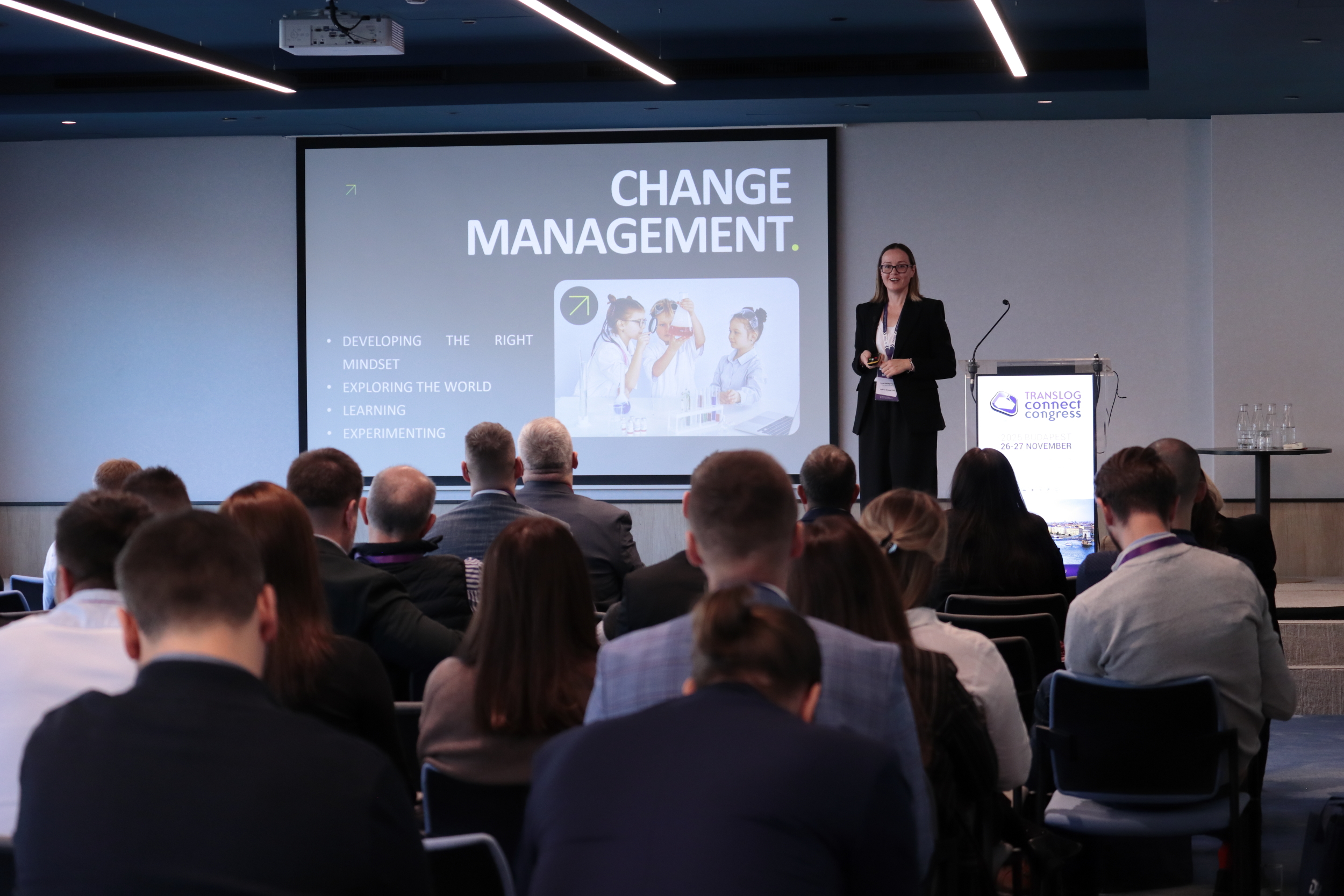
Lana Herceg Gojević "Sustainability is in our focus and we are performing different improvements and measuring emissions on different levels. Also, with our strategic suppliers / principals we are running sustainability projects and aligning mutual goals. In addition, we are having plan for digital transformation in different markets to optimize processes, increase efficiency. Why? To be more efficient. Savings by process optimization and introducing new technologies can be made in different supply chain areas like demand and supply planning, warehousing and transportation. Change management is the most important pillar on which we should be focus on. People / employees are those ones who will use new technologies and bring the change in processes and as a result cost savings and optimization so embracing technologies and changes are the most important thing in any transformation."
.
What do you think about the regulatory environment?
Lana Herceg Gojević "Are you referring to the laws?"
.
Yes, the regulatory background for the use of AI. Are legislators keeping up? Because developments in the field of AI are enormous and very rapid.
Lana Herceg Gojević "Yes, that's right. Orbico has a separate legal entity in each country. This means that different rules and regulations apply to our subsidiaries and local representatives. So, if we have a company in Romania, it is subject to Romanian laws, but in Croatia, for example, we face completely different challenges and a different regulatory environment. Of course, we have to comply with all the rules and adapt to the circumstances. The local regulatory environment influences decisions, but as I said, we just need to be flexible and evolve together with the rapidly changing world."
.
The interview was conducted by Dr. Alexandra Karacs, journalist from NEW Technology Magazine, whose work focuses on digital transformation and emerging technologies shaping the industry across Central and Eastern Europe.
.
The next edition of TRANSLOG Connect will take place on 25–26 November 2026 in Budapest, once again bringing together logistics and supply chain decision-makers from across Central and Eastern Europe. The congress will continue to provide a focused platform for exchanging insights, building partnerships, and addressing the strategic challenges shaping the future of the industry in the region and beyond.
.